Level Up Your Game: 4 Rookie Pool Mistakes and How to Fix Them
Tired of missing sitters down the local? Fix these four common beginner pool blunders and start clearing tables with confidence.
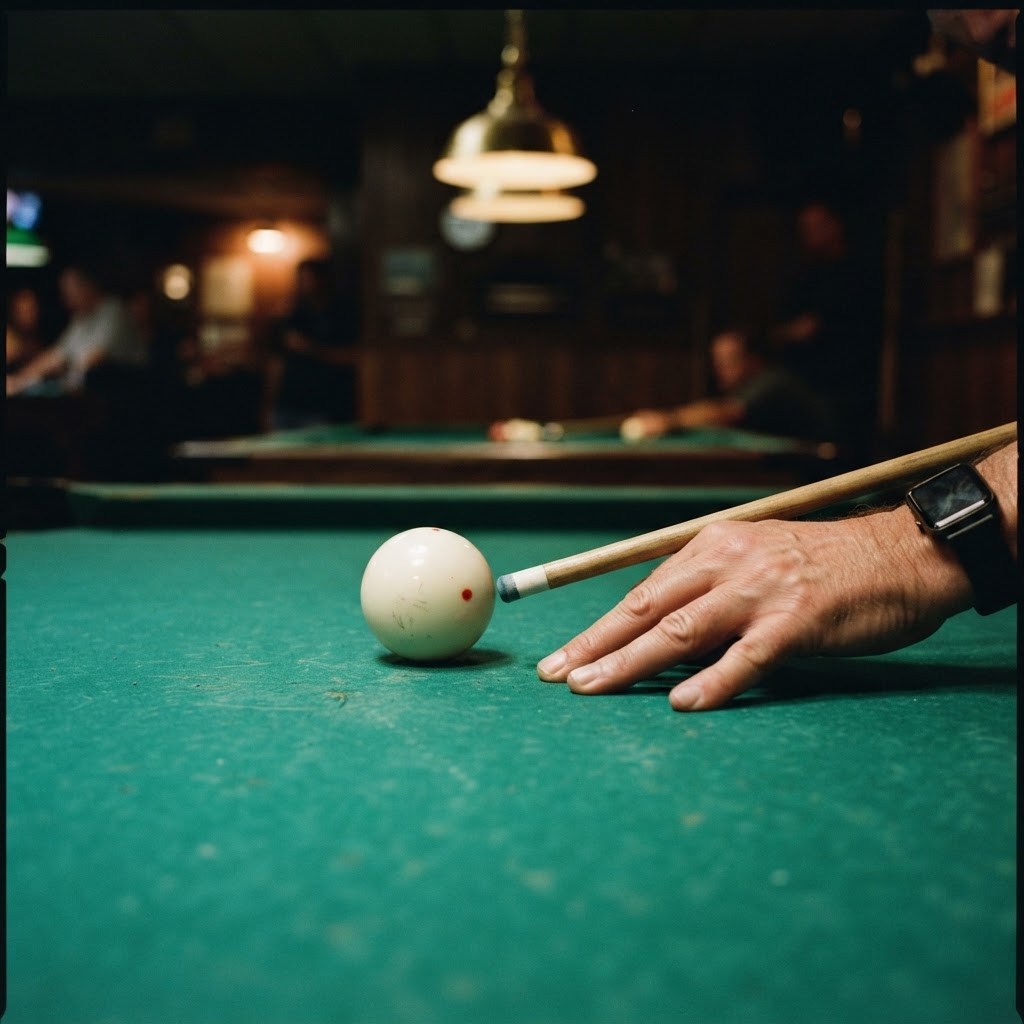
We’ve all been there: pint in hand, quarters down on the slate, eyeing up what looks like an absolute sitter down the rail—only to watch the cue ball rattle harmlessly in the jaws while your opponent gleefully sweeps up the scraps.
Whether you’re playing casual frames on a Friday night or thinking about testing your mettle in a local pub league, English eight-ball pool is deceivingly simple to pick up, yet devilishly tricky to master. The good news? You don’t need the silky touch of Ronnie O’Sullivan at the Crucible to dramatically improve your win rate. Most newcomers make the exact same handful of errors. Nip these in the bud, and your mates won't know what hit them.
1. Smashing Every Shot Like You're Driving Off the First Tee
Easily the number one sin among beginners is treating every stroke like a power drive at the local range. Yes, watching the balls rocket around the cushions feels spectacular, but table speed kills accuracy. The harder you hit the cue ball, the more you magnify any tiny defect in your cueing action.
The Fix: Dial it down to second gear. English pool tables use smaller, lighter balls than American pool tables, meaning they require far less muscle to travel across the baize. Think about rolling balls into pockets rather than forcing them. A soft, controlled stroke keeps the cue ball under your command and drastically reduces unintended deflections.
2. The White-Knuckle Grip
Take a look at your back hand next time you feather the cue. If your knuckles are bone-white, you’re essentially choking the life out of your shot. Clamping onto the butt creates shoulder tension, pulls your tip off-line at impact, and completely ruins your follow-through.
The Fix: Hold the cue as if you were cradling a little songbird—firm enough so it doesn't fly away, but gentle enough that you don't squeeze it. Your back hand should serve as a pendulum hinge, allowing the cue to glide back and through naturally. A looser grip instantly translates to smoother, laser-straight shots.
3. Jumping Up Before the Ball Even Hits the Felt
Ever noticed how pros look like statues after striking the cue ball? Beginners, on the other hand, have a habit of popping their heads up the split second they pull the trigger, eager to watch their masterpiece unfold. This involuntary twitch lifts the cue tip mid-strike, leading to thin contacts and dreadful miscues.
The Fix: Freeze your body. Stay down on your shot until the object ball either hits the back of the pocket or comes to a complete rest. Make it a mental habit: feather, pause, deliver, and stay low. Your chin should remain near the cue until the drama has already played out.
4. Tunnel Vision (Ignoring the Cue Ball's Next Destination)
Beginners tend to suffer from severe pocket fever: find the easiest ball, pot it, celebrate, and then realize the cue ball has tucked itself dead behind an opponent's red. If you only think about the shot in front of you, every visit will be a frantic scramble.
The Fix: Start thinking two steps ahead. Before bending over the baize, ask yourself: "Where do I want the white to stop so I can pot my next ball easily?" Use simple stop shots and gentle rolls to leave comfortable angles. Position beats flashy potting every day of the week.
Get down to the tables, focus on smooth rhythm over raw power, and you'll quickly turn those frustrating "almosts" into effortless table clearances.
By The Cue & Darts Lounge