Stop Missing Easy Pots: 4 Common Pool Mistakes and How to Fix Them
Struggling on the baize? From the dreaded death-grip to overhitting every pot, here is how to fix the most common pool mistakes and clear tables like a pro.
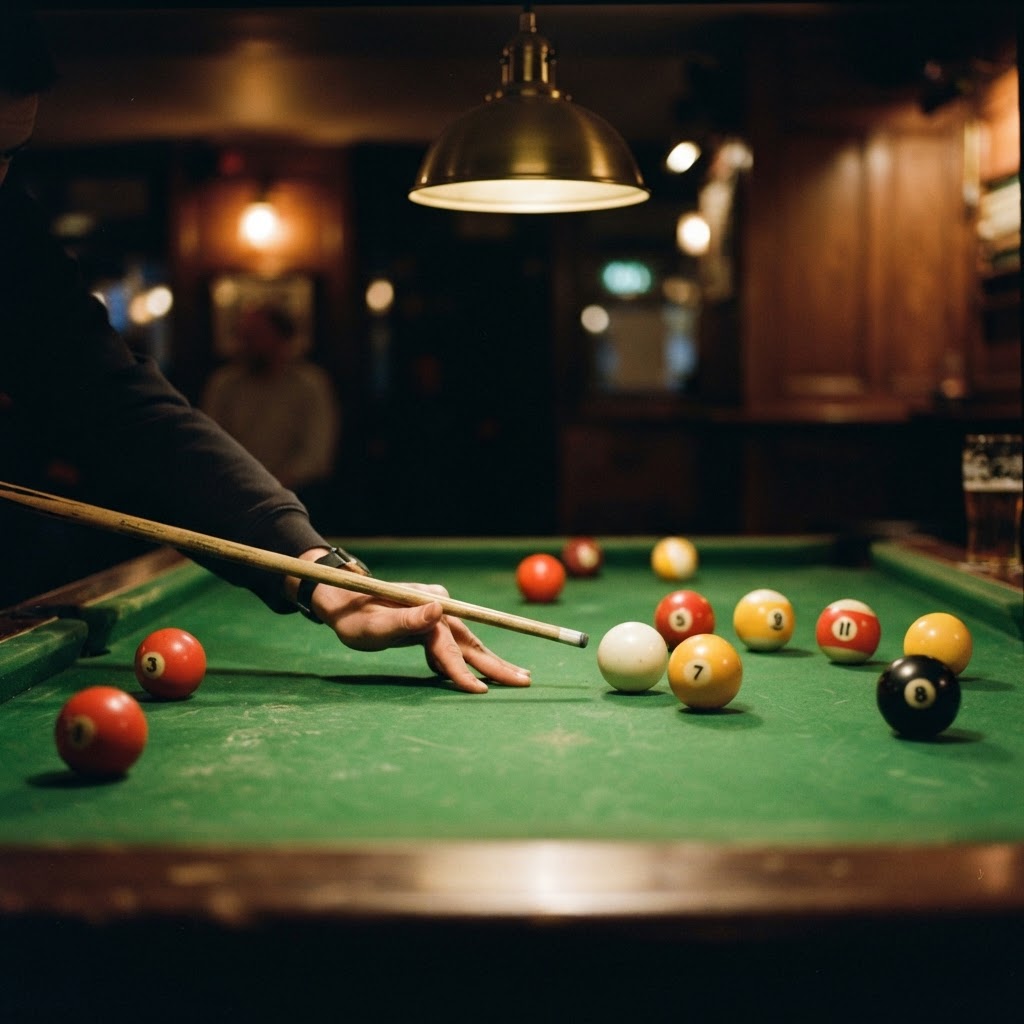
We have all been there. You are down at the club or in your local pub league, pint on the shelf, eyes locked on a straightforward black into the middle pocket. You line it up, pull the cue back, and… clatter. The cue ball rattles in the jaws, flies off down the table, and leaves your opponent with an absolute sitter.
Cue sports are inherently mental and mechanical games. When we watch the masters glide around the Crucible on telly, they make pocketing balls look as natural as breathing. But in reality, pool is about solid fundamentals. If your game feels a bit hit-and-miss lately, chances are you are falling into a few classic traps. Here is what is probably going wrong, and more importantly, how to put it right.
1. Strangling the Cue (The 'Death Grip')
The single most widespread issue beginners struggle with is tension. When you feel the pressure—or when you really want to make sure you hit the ball hard—your natural instinct is to clutch the cue butt as tightly as humanly possible.
Doing this locks your wrist, tightens your forearm, and instantly turns a smooth pendulum action into a rigid, jerky shove. You end up slicing across the cue ball instead of delivering straight through it.
The fix: Treat the cue like an egg. Hold it loose enough that if someone were to gently tug the butt, it would slide right out of your fingers. Your back hand is only there to cradle and guide the cue, letting the natural weight of the stick do the work.
2. Going for Maximum Power Every Time
There is a peculiar British tradition of stepping up to a 7ft English pool table and trying to break the sound barrier on every single shot. While smash-and-hope feels heroic when it works, it kills precision. Excessive power magnifies every tiny cueing error, makes table cloth bounce unpredictable, and sends the cue ball ricocheting into awkward positions.
The fix: Play with restraint. English pool tables feature smaller balls and tighter, rounded pocket jaws compared to American tables. They demand soft hands and finesse. You only need just enough speed to send the object ball to the pocket and drift the cue ball into position for your next shot. Smoothness beats power every day of the week.
3. Jumping Up on the Strike
Ever watch someone play a shot, and their head snaps up before the cue tip has even made contact with the cue ball? Beginners often can't resist the urge to see if the ball drops. The trouble is, lifting your head pulls your bridge shoulder up, causing the tip to dip or twist just at the moment of impact.
The fix: Stay down until the ball drops. Make a conscious pact with yourself: when you strike the cue ball, keep your chin low, complete your follow-through, and freeze for two seconds. Watch the shot unfold from your stance. You will be amazed at how many more balls find the centre of the pocket just from holding your finish.
4. Messing with 'Side' Too Early
Spin—or 'side'—looks fantastic when the pros bend physics to get out of trouble. Naturally, plenty of beginners try to apply fancy left or right spin before they have even mastered a straight stroke. The result? Deflection, throw, and missed pots.
The fix: Strip it back to center-ball strikes. Focus purely on hitting the dead center of the white, followed by learning basic stun (stopping the ball), follow (topspin), and screw (backspin). Side spin should be the cherry on top, not your go-to shot.
Mastering these small tweaks won't take months—often, just relaxing your hand and staying steady over the shot transforms your potting consistency overnight. Grab your cue, set up a few drills, and enjoy the feeling when those frames start clicking into place.
By The Cue & Darts Lounge