How to Practise Snooker Effectively When You Only Have an Hour
Short on time? Transform 60 minutes on the baize into serious break-building power with this structured solo snooker training routine.
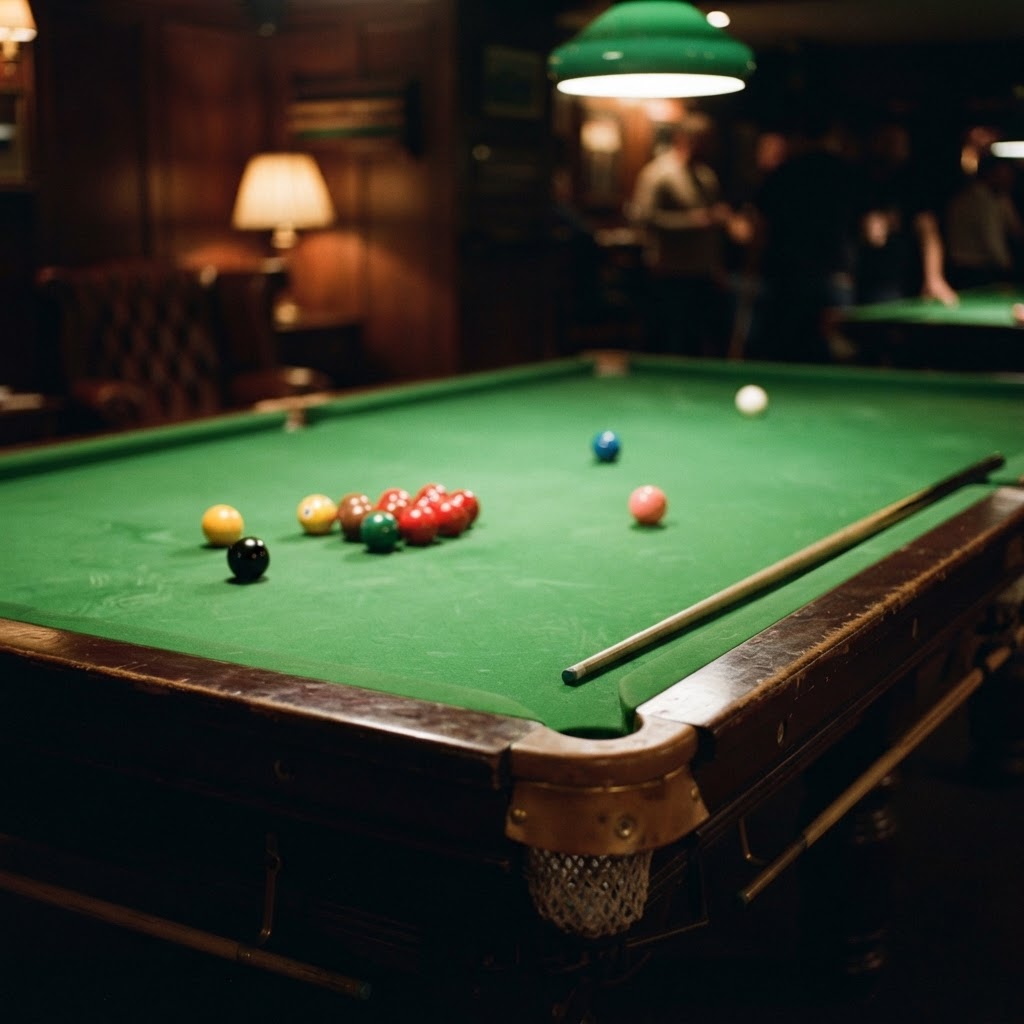
We have all been there. You nip down to the club on your lunch break or manage to carve out a cheeky spare hour on a Tuesday evening before heading home. You get your cue out, scatter 15 reds across the green baize, smash a few long pots, play a loose colour, miss a wild brown, and suddenly your 60 minutes are up.
You pack away thinking, "Did I actually get any better there?" Probably not.
Mindlessly knocking balls around won't cut it if you want to turn heads in your local league. If legends like Ronnie O'Sullivan and Steve Davis taught us anything, it's that practice is about intention, not just marathon slogs. Give yourself sixty focused, structured minutes, and you will see your cue delivery and break-building sharpen up fast. Here is how to make every single minute count.
0–15 Minutes: Cue Action and Alignment Check
Don't jump straight into fancy century-break fantasies. Spend the opening quarter of an hour grooving your basic mechanics.
- The Baulk Line Drill: Place the white on the brown spot and hit it straight up the spots toward the top cushion. Your goal? The white should return clean and true over the spots, clipping your cue tip on the way back without veering off. If it drifts, check your grip and follow-through.
- Straight Potting: Set up straight pots along the baulk line into the corner pocket. Hit five at stun, five at screw, and five with follow-through. This locks in clean, unhurried striking before tackling any tricky angles.
15–35 Minutes: The T-Drill or Simple Line-Up
Now you're warm, spend 20 minutes building rhythm and confidence around the scoring zone.
Set up six reds in a neat line through the centre of the table between the blue and pink spots, or arrange the classic 'T' shape. Spot the colours as normal.
- Your goal is to pot a red, drop on a high-value colour (black or pink), and repeat without disturbing another ball.
- Treat every shot like you're under the lights at the Crucible. Take your time, chalk your tip on every trip around the table, and execute your pre-shot routine cleanly.
- If you break down, reset quickly and figure out why: did you run out of position, or was it a lazy strike?
35–50 Minutes: White Ball Control and Positional Touch
Potting is only half the battle; knowing where the cue ball ends up is what wins matches.
Place the black on its spot and set up an angled red nearby. The aim here isn't just potting the red; it's controlling the path of the cue ball:
- Deep Screw: Pot the red and screw the white back to cross the baulk line.
- Two Cushions to the Middle: Pot the red with top-spin and natural angle, running the cue ball off the top cushion and side cushion back into the centre pocket area for the next imaginary ball.
Repeating the same pot while forcing the white into distinct, intended 'target zones' trains your mind to play positional chess rather than reactive rescue shots.
50–60 Minutes: The Match Simulation Pressure Test
Wrap up the final ten minutes by holding yourself accountable under pressure. Throw six reds into random open play with the colours on their spots. Give yourself one shot to compile the highest break you can without missing.
When there are consequences for missing, your focus naturally ramps up—mimicking that tight feeling you get in the deciding frame of a club championship. Record your top score in your phone notes and try to beat it next week.
An hour on the cloth is plenty of time to build real muscle memory if you stay disciplined. Pack away the excuses, stick to the structure, and watch how much sharper you feel next time you step up to the table.
By The Cue & Darts Lounge