Master the Baize: Common Pool Mistakes and How to Fix Them
Tired of losing every frame? From the 'death grip' to missing the chalk, we look at the common pool mistakes beginners make and how to fix them like a pro.
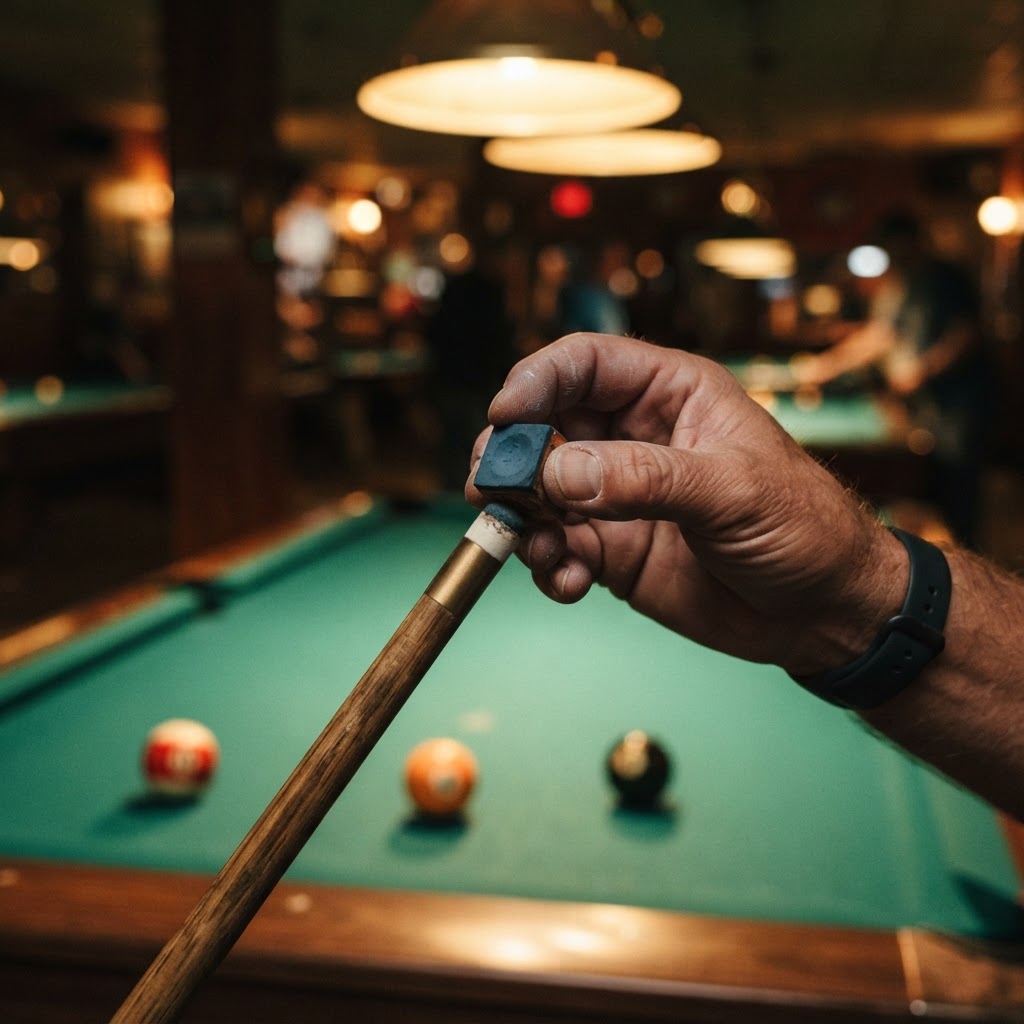
We’ve all been there. You’re at the pub, the atmosphere is buzzing, and you’ve just put your 50p down on the table. You’re ready to channel your inner Ronnie O’Sullivan, but three shots in, you’ve potted the white and sent the black flying toward the fruit machine. Don’t worry; pool is a game of millimetres, and even the legends at the Crucible started somewhere. If you’re looking to stop being the "easy win" in your local Cramlington or North Shields league, it’s time to fix those common rookie errors.
1. The "Death Grip" on the Cue
One of the biggest mistakes beginners make is holding the cue like they’re trying to choke it. If your knuckles are white, you’ve already lost the shot. A tight grip tenses your entire arm, from your wrist up to your shoulder, which kills the fluid motion needed for a smooth strike. Think of it like holding a tube of toothpaste with the cap off—you want to hold it firmly enough that it doesn't drop, but gently enough that you don't squeeze any out. A relaxed, "handshake" grip allows the cue to flow through your bridge hand, giving you that sweet, crisp contact that makes the ball go exactly where you intended.
2. Standing Like a Statue
We’ve all seen the player who leans over the table with their legs locked straight, looking more like a piece of flat-pack furniture than a pool player. A poor stance is the foundation of a bad shot. If you aren't balanced, your cue will wobble. To fix this, keep your feet about shoulder-width apart and slightly angled. Your lead foot should point toward the shot, while your back foot provides the anchor. Get your chin down low over the cue—just like you see the pros do at the Ally Pally during the darts or the big snooker tournaments. This "sight line" is crucial for accuracy. If you’re standing too high, you’re just guessing the angles.
3. Forgetting the Blue Gold (Chalk!)
It’s not just there for decoration or to make your fingers messy. Chalk is the friction that stops your cue tip from sliding off the smooth surface of the cue ball. Beginners often wait until they miscue—that horrible "skidding" sound—before they reach for the cube. By then, the damage is done. You should be applying a light, even layer of chalk before every single shot. Don't "grind" the cue into the chalk like you're sharpening a pencil; instead, use a light brushing motion to cover the tip. It’s the simplest way to instantly improve your consistency and stop those embarrassing misses on the black.
4. Power Isn't Everything
There’s a common misconception that hitting the balls harder makes them more likely to go in. In reality, the harder you hit, the less control you have. When you "thwack" the ball, you lose the ability to predict where the cue ball will end up for your next shot. Pool is a game of chess, not a game of tag. Focus on a smooth, controlled stroke with a solid follow-through. Imagine the cue passing through the ball rather than just hitting it. This control is what separates the pub players from the league champions.
Mastering the table takes time, but by loosening your grip, stabilizing your stance, and remembering the chalk, you’ll be clearing the table before you know it. Whether you’re practicing solo or challenging your mates for bragging rights in North Shields, these small tweaks will make a massive difference. So, grab your cue, take a breath, and let’s see that century break—or at least a solid clearance!
By The Cue & Darts Lounge