Mastering the Hour: How to Supercharge Your Snooker Practice
Short on time but want to sharpen your game? Discover how to turn a single hour at the table into a high-impact training session that gets results.
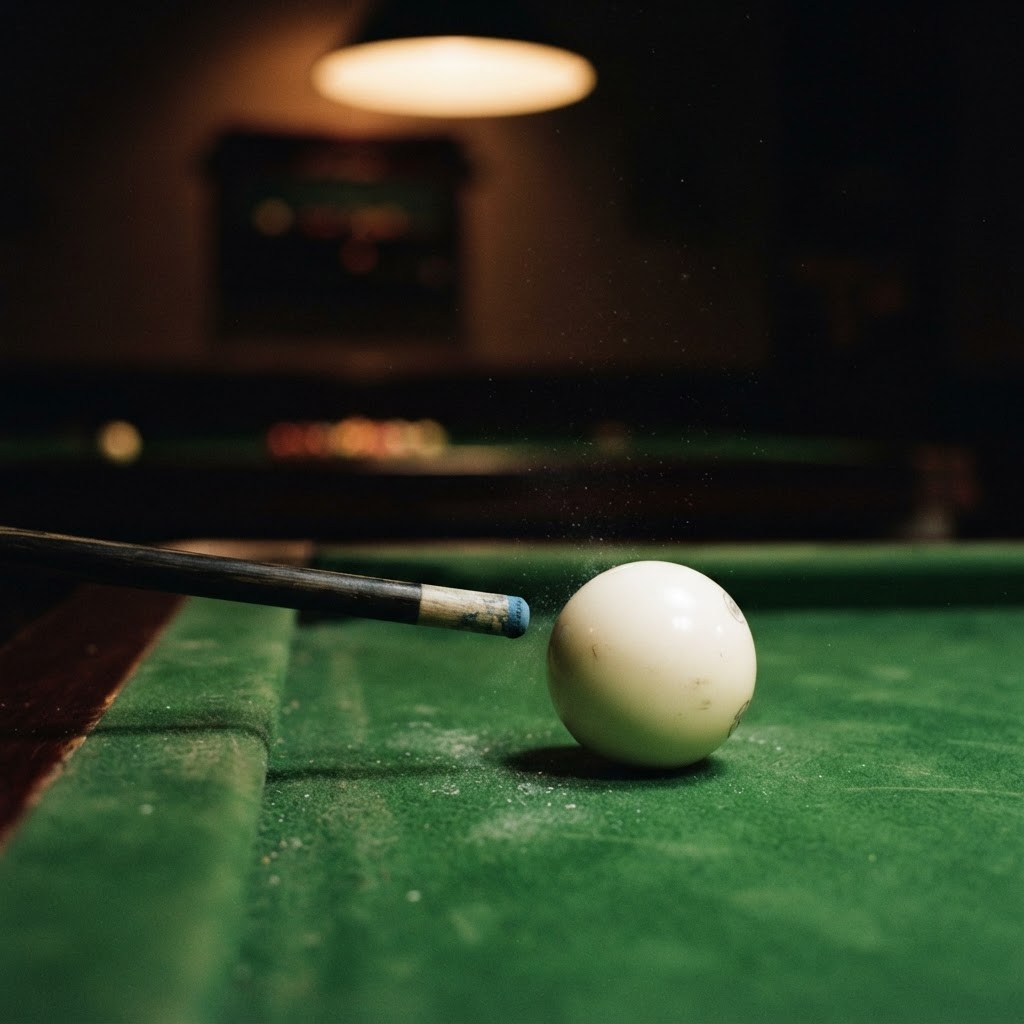
We’ve all been there—you’ve got a spare hour before meeting mates or heading home, and you want to make it count. Whether you’re grinding away in a local pub league or just trying to stop missing those simple blues, the secret isn't playing endless frames. It’s about structure. As the great Ronnie O’Sullivan once said, practice isn’t just about hours; it’s about intention. If you want to play like you’re at the Crucible rather than just knocking balls about, here is how to make that sixty minutes work for you. ## The 20-20-20 Rule: Focus is Everything The biggest mistake most of us make is treating practice like a casual knock-about. Instead, split your hour into three distinct 20-minute blocks. Start with 20 minutes of technical drills—think straight cueing or the classic 'black off the spot' routine. This is about muscle memory. If you’re missing, don’t just keep firing; stop, check your stance, and reset. The next 20 minutes should be dedicated to a specific weakness, like long potting or cue ball control. Finally, spend the last 20 minutes playing a 'pressure frame' against yourself. If you miss, you don't get a second chance. This mimics the tension of a real match and forces you to think about your shot selection. ## Quality Over Quantity: Why Less is More If you’re tired, your concentration will collapse, and you’ll just be reinforcing bad habits. Twenty minutes of intense, focused practice is worth more than two hours of loose, unfocused play. If you find your mind wandering or your cue action getting sloppy, take a breather. Grab a drink, reset your head, and come back to the table with a clear goal. Remember, you’re not trying to clear the table every time; you’re trying to master the process. ## Connect Practice to Play The best way to bridge the gap between the practice table and the match table is to keep a simple log. After your session, write down one thing that went well and one thing that didn't. Did you struggle with stun shots? Was your cueing inconsistent on the baulk line? By identifying these patterns, you can walk into your next session with a clear plan. Don't just play—train. Whether you're in Cramlington, North Shields, or Towcester, the table is your classroom. Keep your sessions structured, keep your goals realistic, and you’ll see those break scores climb before you know it. See you at the table!
By The Cue & Darts Lounge